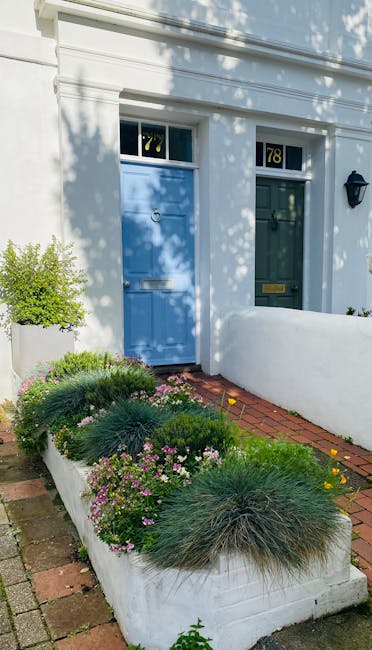
Addiscombe gardeners for small front garden transformations
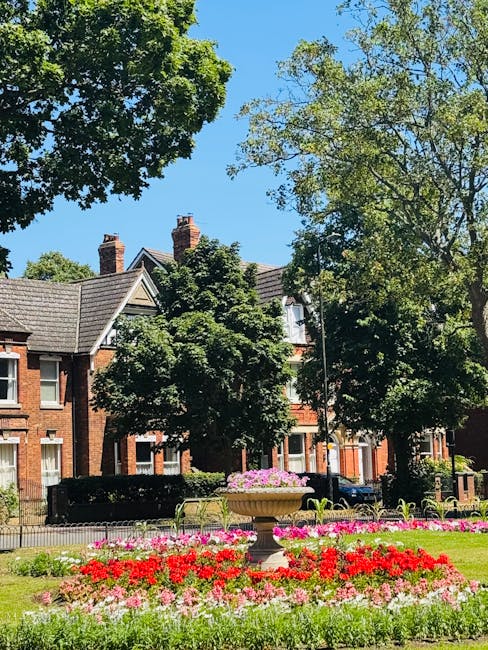
If your front garden feels more like a forgotten strip than a welcoming entrance, you are not alone. Many homes in Addiscombe have compact front spaces that need a smart, tidy, and realistic approach rather than a full redesign. That is exactly where Addiscombe gardeners for small front garden transformations can make a real difference. A good transformation does not need to be dramatic; it needs to suit the house, the pavement, the light, and the way you actually live.
Done well, a small front garden can lift the whole property. It can look calmer, cleaner, and more inviting from the street, while staying easy to maintain through wet weeks, dry spells, and the usual British mix of seasons. In this guide, we will walk through what small front garden transformations involve, how local gardeners approach them, what to watch out for, and how to make good decisions without overcomplicating the job. Truth be told, most good front garden makeovers are simple at heart. The art is in the choices.
Whether you want better kerb appeal, lower maintenance, improved access, or just a front garden that stops annoying you every time you come home, this article gives you the practical detail you need.
- Why it matters
- How it works
- Key benefits
- Who it is for
- Step-by-step guidance
- Expert tips
- Common mistakes
- Tools and resources
- Law, compliance, and best practice
- Options and comparison
- Real-world example
- Practical checklist
- Conclusion
- Frequently asked questions
Why Addiscombe gardeners for small front garden transformations Matters
A small front garden has a bigger job than people sometimes realise. It frames the house, sets the tone for visitors, and often has to work hard in a limited footprint. In Addiscombe, that can mean narrow spaces, mixed light levels, modest frontages, and homes where the front area needs to balance appearance with everyday practicality. A skilled gardener understands that the goal is not simply to plant a few shrubs and hope for the best. It is to shape a space that feels intentional.
Small front garden work matters because small mistakes show quickly. An overgrown shrub can hide the windows. The wrong paving can make the space feel cramped. Too much planting can create maintenance headaches. On the other hand, a few well-chosen changes can make the whole property feel fresher in a single afternoon. You really do notice it when you walk up the path. The house just feels looked after.
There is also a local character to consider. Front gardens in Croydon borough often sit between public pavement and private space, so proportion matters. A good design respects privacy without shutting everything off, and it keeps access clear for bins, post, and day-to-day movement. That balance is what separates a tidy patch from a genuinely transformed entrance.
Expert summary: the best small front garden transformations are usually modest, well-planned, and low-fuss. They combine structure, planting, and maintenance in a way that suits the home rather than fighting it.
How Addiscombe gardeners for small front garden transformations Works
The process usually starts with a walk-through and a proper look at the space. A gardener will check the size of the area, the condition of the soil, how much sun the front garden gets, where rainwater sits after a downpour, and what features are worth keeping. A tiny space can still offer options, but the options need to be realistic. That is the bit people sometimes miss.
From there, the work often falls into a few practical stages:
- Clear and assess: remove dead growth, weeds, unwanted clutter, and anything that is making the space feel heavy or awkward.
- Shape the layout: define the path, edge, bed, and open areas so the space reads clearly from the street.
- Improve the structure: add or refresh borders, edging, gravel, stepping stones, planters, or a compact seating area if there is room.
- Choose planting: select plants that suit the light, soil, and maintenance level you want.
- Finish with detail: mulch, tidy the edges, and make sure the whole thing looks coherent rather than pieced together.
In small front gardens, the order matters. If you start planting before fixing the layout, you often end up redoing parts of it later. A better approach is to settle the bones first, then add the softer elements. Simple enough, but it saves a lot of faffing about.
A local gardener should also think about sightlines. You want the entrance to feel open and safe, not hidden behind overgrown shrubs or tall features that dominate a compact space. In many cases, the smallest change makes the largest visual improvement. A cleaner edge. A sharper path. A better proportioned bed. It does not have to be flashy.
Key Benefits and Practical Advantages
Small front garden transformations are popular for a reason. They offer a strong return in everyday usefulness, not just appearance. Here are the benefits that matter most in practice.
- Better kerb appeal: A neat front garden makes the whole property look cared for. That matters whether you are staying put or thinking ahead.
- Less ongoing maintenance: A good redesign can cut back on weekly tidying, especially if the space is overplanted or badly edged.
- Improved access: Paths, steps, and entrances become easier to use when the layout is planned properly.
- More usable space: Even a narrow frontage can feel larger when the design is simplified and visual clutter is reduced.
- Better seasonal performance: Choosing the right plants means the front garden can still look good through winter, not only in summer.
- Higher sense of welcome: This is a subtle one, but it matters. A front garden that looks calm and finished changes how you feel when you arrive home.
There is also a practical weather benefit. Small spaces can suffer from poor drainage, muddy edges, or plants that never quite thrive because they are in the wrong place. A thoughtful transformation can solve those recurring annoyances. No magic, just better decisions.
If the front garden has become a bit of a dumping ground for pots, weeds, broken slabs, and random bits from the shed, a transformation brings it back into use. And let's face it, a tidy entrance makes the rest of the day feel more organised too. Slightly absurd, maybe. Still true.
Who This Is For and When It Makes Sense
This kind of work suits a wide range of homeowners and landlords, especially where the front garden is small, visible, and underperforming. It is not only for people who want something decorative. Often, it is for people who want life to be easier.
You may be a good fit for a front garden transformation if:
- your frontage looks tired, patchy, or overgrown
- you want a neater look without a high-maintenance planting scheme
- the entrance feels awkward or cramped
- the garden needs better drainage, edging, or structure
- you are preparing a property for sale or rental presentation
- you want to replace wasted space with something simpler and more attractive
It also makes sense if you have tried to do it yourself and found the result did not quite hang together. That is extremely common. A few plants from different visits to the garden centre, a patch of gravel, a border that looked fine in the shed but not outside... it happens. Design is where the difference lies.
On the other hand, if the front garden is large, heavily sloped, or needs major hard landscaping, you may need a broader landscaping approach rather than a simple tidy-up. That is where a service like landscape gardening can be more appropriate, especially if the project includes reshaping levels, paths, or structural features. For smaller jobs, though, the focus is usually on making the existing space work better, not starting from zero.
Step-by-Step Guidance
Here is a practical way to think about a small front garden transformation. Not every project follows this exact order, but it is a sensible framework and, in our experience, it keeps decisions sane.
1. Start with a clear brief
Ask what the space needs to do. Do you want it to look smarter? Need easier access? Want less maintenance? Hoping to add planting without blocking light? Once the brief is clear, everything else becomes simpler. Without that, people tend to add features because they look nice on their own, which is not the same as working well together.
2. Remove what no longer serves the space
This often includes weeds, dead shrubs, tired containers, broken edging, or anything that makes the garden feel crowded. Sometimes a front garden looks better after removing things than after adding them. Funny, but true.
3. Decide on the structure
Structure is the backbone: path, border, focal point, and open space. For a small front garden, you usually want one clear visual route from gate to door. That can be a straight path, a neat curve, or a compact stepping-stone layout depending on the property.
4. Match plants to conditions
Shade, sun, soil, and wind all matter. A plant that looks stunning in a warm, sheltered spot may sulk in a narrow, shaded frontage. Good choices for small front gardens are usually compact, tidy, and resilient rather than overly dramatic.
5. Keep maintenance realistic
There is no point designing a front garden that needs constant grooming if you know you do not want that. Low-maintenance does not mean lifeless. It means balanced planting, sensible spacing, and fewer jobs through the year.
6. Finish with details that sharpen the result
Edging, mulch, lighting, and a well-defined path can completely change how the space reads. Small details matter more in small gardens. They do. The eye catches them instantly.
If the existing garden has become tangled or overgrown, a preliminary garden clearance can be the simplest first step before any design work begins. That gives the gardener a clean slate and helps the space show its real shape.
Expert Tips for Better Results
There are a few choices that consistently improve the outcome of small front garden projects. These are not flashy ideas. They are the ones that hold up after the novelty has worn off.
- Use repetition carefully: repeating one or two plant types can make a small garden feel calmer and more intentional.
- Keep the palette tight: too many materials can make a small space feel busy. A restrained mix usually looks better.
- Think vertical, but not tall for the sake of it: a modest layered scheme can add depth without blocking windows or sightlines.
- Make the entrance obvious: if visitors have to guess where to walk, the design is not finished yet.
- Leave room for growth: a plant that looks perfect on day one may be too crowded by month six if spacing was too tight.
- Plan for wet weather: front gardens in the UK need to cope with rain, splashback, and muddy shoes. Better drainage and hard-wearing surfaces help a lot.
One useful rule of thumb: if a feature is competing with the house, it is probably too much. The garden should support the home, not shout over it.
For boundary softness without visual clutter, compact evergreen planting or carefully selected structural plants can work well. If you want a little more privacy near the front, but not a wall of greenery, a service like hedge trimming can help keep existing growth neat and proportionate rather than unruly.
Common Mistakes to Avoid
Small front gardens are very easy to get slightly wrong. Not disastrously wrong, just enough to make them feel awkward. Here are the missteps gardeners see most often.
- Overplanting: packing in too many plants makes the space feel smaller and increases maintenance.
- Ignoring the path: the route to the door should be practical, dry enough, and visually clear.
- Choosing plants for instant impact only: some plants look good briefly but quickly outgrow the space or become difficult to manage.
- Using too many materials: gravel, paving, bark, timber, bricks, and decorative stone can all work, but too many together can feel messy.
- Forgetting drainage: waterlogged corners or muddy strips will keep coming back unless the underlying issue is addressed.
- Making maintenance too complicated: if the plan requires constant deadheading, clipping, and feeding, it may not suit the property.
Another one: people often forget how the garden looks from inside the house. The front view from a hallway or living-room window matters. If the design is lovely from the street but annoying from indoors, that tension shows up every day.
And yes, a bargain-bin solution can sometimes look fine for a week. Then the weeds return. The same old story.
Tools, Resources and Recommendations
Not every transformation needs heavy machinery. For small front gardens, the right tools are often straightforward, but they need to be used with care.
Common tools and materials include:
- spades, forks, and hand trowels for planting and soil work
- secateurs and pruning tools for shaping shrubs and tidying edges
- edging tools for a crisp border finish
- compost, topsoil, and mulch to improve planting beds
- gravel, stepping stones, or paving for structure and access
- compact planting containers where soil depth is limited
Useful services often sit around the core transformation. For example, a well-timed lawn mowing service can bring the front area back into shape before any redesign work, while garden maintenance can help preserve the result once the transformation is complete. If trees are shading the space or dropping too much debris, tree lopping and removal may also be relevant, but only where it is genuinely needed and appropriate for the site.
If you are weighing up a more substantial refresh, it can also help to compare a simple tidy-up with a broader design-led approach. Some homes only need sharper edges and better planting. Others benefit from a fuller landscaping project. Knowing the difference saves money and avoids unnecessary work.
Law, Compliance, Standards, or Best Practice
For most small front garden transformations, the key issue is best practice rather than complex regulation. Still, there are a few sensible points to keep in mind. If any work affects boundaries, access, drainage, trees, or visibility from the street, it should be planned carefully and, where necessary, checked against local requirements or property constraints. That is especially true if the garden sits close to a public pavement, boundary wall, or shared access point.
In practical terms, a good gardener should work with the property rather than against it. That means avoiding unsafe trip hazards, keeping paths usable, and making sure any materials are suitable for outdoor conditions. It also means being careful with waste handling and disposal. Reusing, recycling, or composting where possible is sensible and, frankly, just good housekeeping.
If you are hiring help, look for clear communication around insurance, safety, and the scope of work. Good businesses will be straightforward about what is included, what is not, and how they handle site safety. If a proposal sounds vague, ask more questions. A proper professional will not mind. In fact, they should welcome it.
For peace of mind, you can also review relevant business policies such as insurance and safety, and if you care about the environmental side of the work, the company's recycling and sustainability approach may matter too. Not glamorous, perhaps, but useful.
Options, Methods, or Comparison Table
Not every front garden needs the same kind of transformation. The right method depends on budget, layout, maintenance tolerance, and how much visual change you actually want. Here is a simple comparison to help you think it through.
| Approach | Best for | Typical outcome | Maintenance level |
|---|---|---|---|
| Light refresh | Garden is basically sound but looks tired | Tidier edges, neater planting, clearer entrance | Low |
| Practical redesign | Space feels awkward or cluttered | Better layout, improved access, more coherent look | Low to medium |
| Plant-led makeover | Front garden lacks softness or seasonal interest | Stronger planting scheme with structure and colour | Medium |
| Full transformation | Space needs major change | New layout, surfaces, borders, and features | Depends on design |
If you are undecided, start with the lightest intervention that will fix the actual problem. It is tempting to do everything at once, but that is not always wise. A well-planned refresh can be better than an overambitious makeover that looks impressive for a month and then becomes a headache.
Case Study or Real-World Example
Picture a typical Addiscombe front garden: narrow path, tired shrubs, patchy gravel, and a few containers that have seen better days. The house itself is fine, but the entrance feels a bit lost. You know the sort of thing. The garden is not terrible, just underwhelming and slightly chaotic in that quiet, nagging way.
A sensible transformation might begin with clearance and pruning. The gardener removes dead growth, opens up the path, and resets the borders so the space reads more clearly. Then they define the entrance with a tidy edge and choose a small number of plants that suit the light. A mulch layer helps keep the soil looking finished. If the path is worn, it gets refreshed or neatened. Nothing dramatic, but the space now feels intentional.
The result is not only visual. It changes how the house feels from the pavement and from the front door. The entrance is easier to use. The maintenance load drops. The whole frontage looks calmer. That is the kind of change people often notice most in the first week: the house suddenly seems to breathe a bit.
In some cases, the transformation also includes a structure element, such as a small decked sitting area or a raised planter. If that suits the property, a service like decking services can be useful, especially where a clean, durable surface helps the design feel more finished. For homes with a strong planting focus, even a simple but well-placed planting strategy can make all the difference.
Practical Checklist
Use this checklist before, during, or after the project. It keeps the work grounded and helps avoid the usual little misses.
- Clarify the main goal: appearance, access, maintenance, or all three
- Measure the space properly, including path width and planting areas
- Check sun, shade, and drainage conditions
- Remove dead, diseased, or unwanted growth
- Decide which existing features should stay
- Choose a simple layout with one clear route to the door
- Select plants suited to the site and your upkeep preferences
- Keep the material palette restrained
- Allow room for growth, not just for day-one appearance
- Finish with edging, mulch, or another clean detail
- Plan ongoing care so the result lasts beyond the first season
If you want a quick sanity check, ask yourself: will this still look sensible in six months? If the answer is no, the plan probably needs simplifying.
Conclusion
Small front gardens are rarely about grand gestures. They are about proportion, practicality, and making the most of a tight space without making life harder. That is why Addiscombe gardeners for small front garden transformations can be such a smart choice. They bring local awareness, a sense of scale, and the kind of practical judgement that turns a cramped or tired frontage into something welcoming and easy to live with.
The best results usually come from keeping things simple, choosing the right plants, and focusing on the parts of the garden that actually do the work. A clear path. Clean edges. A few well-placed plants. Maybe one thoughtful structural feature. No fuss, no gimmicks. Just a front garden that feels right when you walk up to it on a wet Tuesday evening or a bright Saturday morning. That is the real goal, really.
Get a free quote today and see how much you can save.
If you are ready to turn a small front garden into something more attractive and easier to maintain, the next step is simply to get a professional opinion on what will work best for your space. A short conversation can save a lot of trial and error, and that is often where the real value lies.
Frequently Asked Questions
What do Addiscombe gardeners for small front garden transformations usually include?
They usually include clearing, pruning, tidying, planting, edging, path improvements, and layout changes that make the front garden look better and work better. The exact scope depends on the space and your goals.
How much work can be done in a small front garden?
Quite a lot, actually. Small spaces can be transformed quickly because every change is visible. Even modest improvements to structure, planting, and edges can make a major difference.
Is a full redesign necessary for a small front garden?
Not always. Many front gardens only need a careful refresh. If the basic layout is sound, a lighter intervention may be the smarter and more affordable choice.
What are the best plants for a compact front garden?
Usually compact, low-maintenance plants that suit the light and soil conditions. The best choice depends on whether the space is sunny, shaded, dry, or prone to damp. A gardener should recommend plants that fit the site rather than forcing a trend.
How long does a front garden transformation take?
It depends on the size and condition of the garden. A simple tidy and reshape can be done quickly, while a more detailed redesign will take longer. Weather, access, and waste removal can also affect timing.
Can a small front garden be made lower maintenance?
Yes. That is often one of the main reasons people transform it. Better layout, fewer high-maintenance plants, and cleaner borders can reduce ongoing work quite a bit.
Do I need planning permission for front garden changes?
Most small cosmetic changes do not need permission, but if the work affects drainage, walls, access, or other structural features, it is sensible to check whether any local rules or property restrictions apply. When in doubt, ask before starting.
What if my front garden has poor drainage?
Poor drainage should be addressed before or during the transformation. Otherwise, the same problem will come back. A gardener may improve soil structure, adjust levels, or change the surface materials depending on the cause.
How do I keep the finished garden looking good?
Regular light maintenance helps a lot: weeding, pruning, tidying edges, and keeping paths clear. A simple maintenance plan is usually better than waiting until the garden looks rough again.
Is it worth improving a very small front garden?
Yes, often more than people expect. Very small spaces can have a big visual impact because they frame the house. A tidy, well-planned entrance can noticeably improve how the whole property feels.
What should I ask before booking a gardener?
Ask what is included, what materials are needed, how waste will be handled, and how the work will be approached. It is also sensible to ask about insurance, timings, and any aftercare advice.
Can front garden work be done in winter?
Some parts can, depending on weather and soil conditions. Clearance, pruning, and planning can often continue, but planting and ground work may be better scheduled for more suitable conditions. A good gardener will judge this honestly rather than forcing it.