Small business garden maintenance Croydon commercial gardeners: a practical guide for local businesses
If you run a shop, office, nursery, hospitality venue, managed block, or small commercial site, you already know the outside space speaks before your team does. That patch of lawn by the entrance, the hedge along the boundary, the tired-looking beds after a wet week in Croydon - they all shape first impressions. This guide to Small business garden maintenance Croydon commercial gardeners explains what professional maintenance actually involves, why it matters, how it works, and what to look for when choosing the right team. It is written for real-world decision-making, not just brochure talk.
Truth be told, a tidy outdoor area does more than look nice. It helps people feel confident arriving on site, keeps routine jobs under control, and reduces the "we'll deal with it later" spiral that so often turns into a bigger, pricier problem. Let's get into the practical side of it.
Why Small business garden maintenance Croydon commercial gardeners Matters
Commercial garden care is not the same as a quick tidy-up at home. For small businesses, maintenance has to be consistent, safe, presentable, and suitable for the way the site is used. A customer arriving at a dental practice, cafe, estate office, or retail unit notices more than you might think. Overgrown hedges, slippery paths, weedy borders, and patchy grass can make a business feel less cared for - even if the work inside is excellent.
Croydon is a busy, mixed-use part of South London. Some premises face high footfall, some sit behind shared access routes, and some only have a small frontage to work with. That creates its own maintenance headaches. A compact frontage can look untidy very quickly. A larger shared garden can become a jumble if no one is taking ownership of mowing, pruning, leaf clearance, and seasonal work.
There is also the simple operational side. If your outside space gets neglected, the issues tend to snowball. A missed hedge trim becomes an access problem. A few damp leaves turn into a slippery surface. A lawn left too long becomes uneven and harder to recover. That is why businesses often benefit from a planned service rather than an ad hoc call when things have already got out of hand.
For many local firms, garden maintenance also supports wider brand trust. People notice care. It is a small detail, yes, but small details matter when customers are deciding whether your place feels professional.
Expert summary: Regular commercial garden maintenance is less about making a space look "perfect" and more about keeping it safe, welcoming, and under control week after week.
How Small business garden maintenance Croydon commercial gardeners Works
In practice, a commercial maintenance service usually starts with a site review. The gardener looks at the size of the grounds, plant types, grass condition, hedge growth, access, waste volume, and any obvious pressure points such as entrances, walkways, or communal spaces. For some sites, the work is straightforward. For others, it needs a tailored plan. That sounds obvious, but you would be surprised how often a one-size-fits-all approach causes trouble.
A sensible maintenance schedule may include weekly, fortnightly, or monthly visits depending on growth rate and site usage. In warmer months, lawns and hedges can need attention more often. In autumn, leaf clearance and green waste removal suddenly become the main event. Winter tends to be quieter, though not always - a mild spell and everything starts growing again, because of course it does.
Typical tasks include:
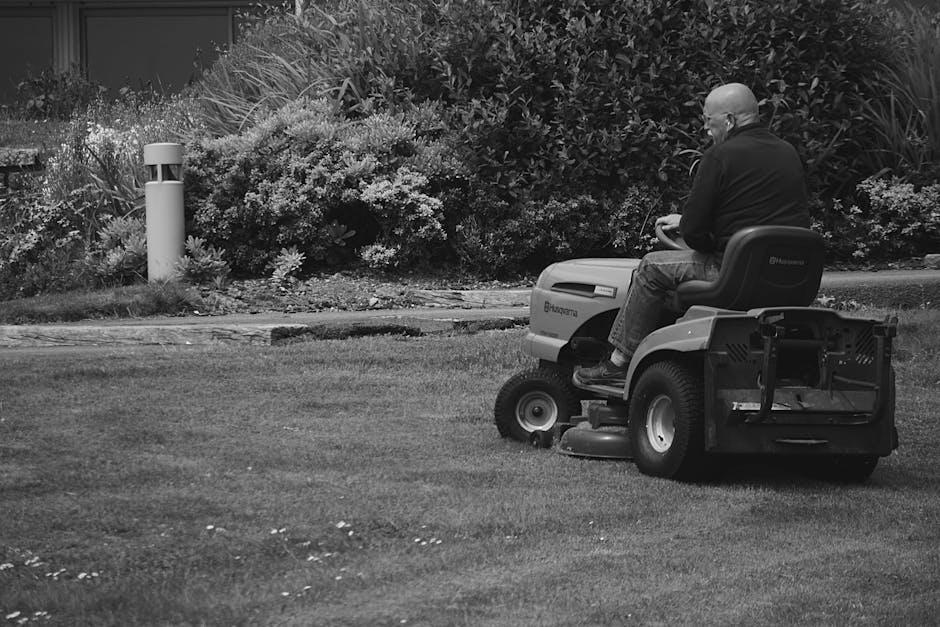
- lawn mowing and edging
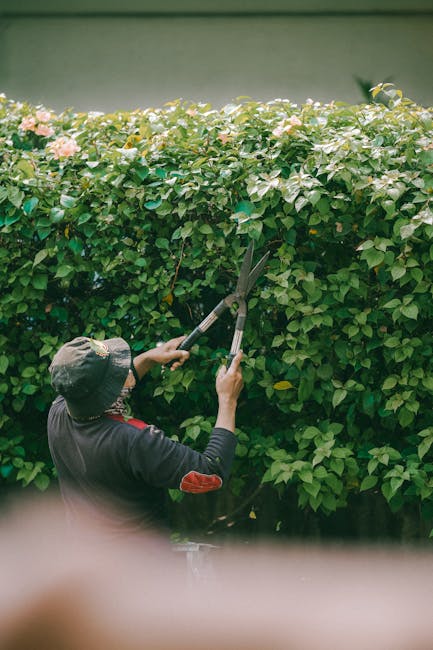
- hedge trimming and shaping
- pruning shrubs and light plant care
- weeding beds and borders
- leaf clearance and litter removal
- path and entrance tidying
- green waste collection and disposal
- seasonal cut-backs and refresh work
Depending on the site, the service may be paired with more specific work such as lawn mowing, hedge trimming, or more extensive garden maintenance. Where a site has become heavily overgrown, a one-off garden clearance may come first, simply so the ongoing maintenance can start from a workable base.
Most businesses also want clear communication. Who is visiting the site? What has been done? What needs follow-up? In our experience, the best gardeners do not just cut and go. They leave a clean, understandable picture of what was completed and flag anything that may need extra attention next time.
Key Benefits and Practical Advantages
The obvious benefit is presentation. A tidy entrance and well-kept planting make a business look more established and more cared for. But the practical advantages go further than appearance.
1. Better first impressions
Customers, tenants, staff, and visitors feel more comfortable approaching a clean, organised site. That matters whether you are welcoming clients to a small office or creating a calm atmosphere for a care setting, salon, or hospitality space.
2. Lower long-term maintenance pressure
Smaller, regular jobs are usually easier to manage than large rescue jobs. A hedge trimmed on time is quicker and cheaper to maintain than one allowed to run wild for six months. No mystery there.
3. Reduced trip and slip risks
Overgrown edges, mossy paths, wet leaf build-up, and uneven growth can all cause problems. Routine visits help keep these issues in check.
4. More predictable budgeting
Ongoing maintenance is easier to plan for than emergency callouts. Many small businesses prefer this because it supports cash flow and avoids those awkward surprises nobody likes.
5. Better use of staff time
If your team are not gardeners, they should probably not be spending half a Friday trying to tame a hedge. Letting commercial gardeners handle it frees people up to do what they are actually paid to do.
6. Stronger site value and usability
Outdoor areas are part of the asset. A neat, healthy landscape makes the whole property more usable and easier to hand over, lease, or show to prospective tenants.
If you are planning wider improvements as well, it can make sense to combine maintenance with broader outdoor upgrades such as landscaping or even specific works like decking services where a usable external area would help staff or customers spend time outside.
Who This Is For and When It Makes Sense
This kind of service suits a surprisingly wide range of small businesses. It is not only for big commercial estates or national chains. If your premises have any kind of visible outdoor space, regular maintenance probably has a role to play.
It usually makes sense for:
- independent shops and retail units
- cafes, pubs, and small hospitality venues
- offices and business parks with modest grounds
- schools, nurseries, and training centres
- medical, therapy, and wellbeing practices
- estate-managed communal gardens
- small rental or managed properties
- businesses with customer-facing entrances
You may need it more urgently if the site is already showing signs of strain: grass too long to cut neatly, hedges blocking light, weeds taking over paving joints, or seasonal debris building up faster than your team can clear it. A lot of people wait too long. Then the job becomes a full reset rather than maintenance. That is usually when costs and disruption rise.
It also makes sense if you are preparing for a busy period. Think spring reopening, summer footfall, or the run-up to the festive season when visitors notice everything. A clean exterior can quietly support trade. Quietly, but noticeably.
Step-by-Step Guidance
If you are setting up commercial garden maintenance for a small business, keep the process simple and structured. The best plans are the ones that can be repeated without drama.
- Walk the site properly. Look at entrances, boundary lines, hidden corners, drainage-prone areas, and any spots where customers or staff actually walk.
- List the regular tasks. Separate weekly, monthly, and seasonal work. That might include mowing, hedge cutting, weeding, pruning, and waste removal.
- Decide what "presentable" means for your site. A cafe forecourt, for example, may need a sharper finish than a storage yard. Be honest about the standard you need.
- Set the visit frequency. Growth rate, usage, and weather exposure all matter. Croydon's mix of shaded corners and open frontages can make one section behave very differently from another.
- Check access and working hours. If the site is busy early morning or during lunch, the maintenance window matters. A good gardener should work around this where possible.
- Agree waste handling in advance. Green waste can pile up fast, so make sure the disposal method is clear and compliant.
- Review after the first few visits. A maintenance plan should be refined, not frozen. If the grass is recovering slowly or the hedge needs extra shaping, tweak the frequency.
A practical tip: ask for a simple list of priorities before the first visit. That way, the team knows what absolutely must be done, what can wait, and what is just a nice-to-have. It sounds minor, but it saves a lot of back-and-forth later.
Expert Tips for Better Results
Small commercial sites respond best to consistency. That is the big one. Regular work keeps the garden looking intentional instead of periodically rescued.
Use seasons to your advantage. Spring and early summer are the time to shape growth before everything gets away from you. Autumn is all about leaf management, pruning with care, and keeping surfaces clear. Winter is ideal for tidying structure and setting up the site for the next burst of growth.
Keep a few tasks separate. Lawn care, hedge work, and clearance work are related, but not identical. Breaking them down helps you avoid paying for a full-service visit when only one area is causing trouble. That said, bundling tasks can be more efficient when the site needs several jobs at once.
Think about visibility lines. The most important part of the garden is often not the largest one. It is the bit people see first. The entrance border, the sign area, the path to the door - those spots carry a lot of visual weight.
Allow for weather delays. British weather is brilliantly unhelpful at times. Wet grass, hard frost, and windy days can all affect what is practical or safe. A good contractor will adjust rather than forcing the work.
Ask for honest advice, not just agreement. If a hedge should be reduced in stages, or if a lawn needs recovery time, you want someone who says so. The confident answer is not always the best answer.
One more thing: if your site includes shared outdoor areas or more complex planting, it can be worth discussing longer-term improvements as part of the maintenance conversation. Services like landscape gardening can help reshape a space so future maintenance becomes easier, not harder.
Common Mistakes to Avoid
Most problems come from delay, vague expectations, or trying to do too much in-house without the right tools. A few classic mistakes show up again and again.
- Waiting until the site looks bad. By then, you are often paying for recovery, not maintenance.
- Using one-off clearance as a long-term plan. Clearance is useful, but it is not a substitute for routine work.
- Ignoring hedge and shrub growth near access routes. Overgrowth can quietly become a compliance and safety issue.
- Not setting a maintenance standard. "Tidy it up" means different things to different people. Be specific.
- Forgetting waste logistics. Trimmings and clippings need somewhere to go. If this is unclear, the job can stall.
- Assuming every gardener works the same way. Some are best for regular upkeep, others for heavier landscape work. Match the provider to the job.
A subtle mistake, and a common one, is over-frequent trimming of some plants. It can leave hedges thin or untidy if done badly. More cutting is not always better. Sometimes it is just more cutting.
Tools, Resources and Recommendations
You do not need to micromanage the gardener's toolkit, but it helps to understand the basics. Commercial teams typically rely on mowers, trimmers, strimmers, hand tools, pruning equipment, blowers, and waste bags or collection systems. On larger or more awkward sites, access equipment or specialist cutting tools may be needed.
From a business owner's point of view, the most useful "resource" is a clear maintenance brief. Keep it simple and realistic. Include:
- site access details
- parking or loading arrangements
- opening hours and quiet times
- priority areas
- any sensitive planting or protected features
- waste collection expectations
It can also help to keep a basic photo record of the site after a good visit. That way, when the garden starts drifting again, you have a simple benchmark. Nothing fancy. Just useful.
If sustainability matters to your brand or your tenants, ask how green waste is handled and what happens to reusable material. A provider with clear practices around recycling and sustainability can help you reduce avoidable waste and keep the process cleaner overall.
For businesses comparing packages or trying to budget sensibly, reviewing pricing and quotes alongside the service scope is usually the smartest move. Cheap on paper can become expensive if the plan does not actually fit the site.
Law, Compliance, Standards and Best Practice
Garden maintenance for small businesses is not just about looks. It touches safety, access, and duty of care. You do not need to become a legal expert, but you do need to keep things sensible and documented.
In the UK, businesses are generally expected to manage premises safely for staff and visitors. That means outdoor areas should not be left in a condition that creates avoidable hazards. Wet leaf build-up, trip risks, badly stored tools, or obstructed pathways can all become problems. The right maintenance routine helps reduce that exposure.
There is also a practical environmental angle. Green waste should be handled responsibly. If your site generates regular trimmings, clippings, or clearance waste, ask how it will be removed and processed. Best practice also includes avoiding unnecessary disturbance to nesting wildlife or protected habitats where relevant. A careful contractor will know when to pause, inspect, or adapt.
Insurance matters too. If work is being carried out on commercial premises, it is sensible to confirm the provider has suitable cover for the tasks involved. For heavier work or anything involving trees, the risk profile changes. If your site needs more substantial work, such as the removal of unsafe limbs or a damaged tree, the team should have the right knowledge and safeguards. A page such as tree lopping and removal may be relevant where the work goes beyond general maintenance.
Best practice is fairly straightforward: assess the site, agree the scope, work safely, dispose of waste properly, and keep a record of what has been done. It does not need to be complicated. Just disciplined.
For reassurance around service standards, operational expectations, and how the business handles wider responsibilities, many clients also like to review the company's health and safety policy, insurance and safety information, and services overview. Those pages can help you judge whether the provider is set up properly for commercial work.
Options, Methods, or Comparison Table
Small businesses usually choose between three broad approaches: doing the work in-house, using occasional ad hoc visits, or arranging a planned maintenance service. Each has a place.
| Approach | Best for | Pros | Cons |
|---|---|---|---|
| In-house maintenance | Very small sites with simple needs | Immediate response, direct control | Can be inconsistent, staff may lack tools or experience |
| Ad hoc gardening visits | Low-growth sites or occasional tidy-ups | Flexible, useful for one-off jobs | Standards can drift, problems build between visits |
| Planned commercial maintenance | Customer-facing sites, shared spaces, regular presentation needs | Consistent, predictable, easier to budget | Needs good scheduling and a clear brief |
There is no universal winner. A small storage yard with almost no planting may only need occasional help. A cafe with outdoor seating and a prominent frontage, on the other hand, benefits far more from a regular plan. Different needs, different answers. That's normal.
Case Study or Real-World Example
Imagine a small Croydon office with a narrow front strip, one hedge along the boundary, and a shared rear garden used by staff for breaks. At first glance, it feels manageable. The owner assumes the team can handle it "as and when". For a while, that works. Then a wet autumn arrives, the hedge grows faster than expected, the grass starts sitting too long between cuts, and leaf build-up makes the rear path look neglected by Monday morning.
What changed? Nothing dramatic. Just a series of small delays. By the time help is brought in, the work is no longer routine. It needs clearance, shaping, and a reset before the maintenance schedule can even begin.
A better approach would have been a simple plan: fortnightly mowing in the growing season, hedge checks every few visits, leaf clearance in autumn, and a monthly review. Not complicated. Just enough structure to stop the site sliding into chaos. And yes, chaos is a strong word, but if you have ever tried to rescue a lawn after three missed cuts and a week of rain, you will know the feeling.
The real lesson is that small commercial spaces often look easy to manage until they are not. Once maintenance falls behind, the visible decline is quicker than most people expect.
Practical Checklist
Use this as a quick planning tool before booking or renewing a maintenance arrangement.
- Have you identified all outdoor areas that need attention?
- Do you know which spaces are customer-facing and which are purely functional?
- Are mowing, hedge work, weeding, and clearance needs clearly separated?
- Is the visit frequency matched to actual growth, not just a rough guess?
- Have access times, parking, and entry instructions been confirmed?
- Is green waste removal included or clearly agreed?
- Have you checked that the provider is set up for commercial work?
- Do you know who to contact if something needs follow-up after a visit?
- Are there any safety concerns around paths, tree work, or shared spaces?
- Have you reviewed whether broader improvements are needed now rather than later?
If you can answer most of those with confidence, you are already ahead of many businesses. Honestly, that's half the battle.
Conclusion
For small businesses, good garden maintenance is not a luxury and it is not just cosmetic. It helps your premises feel cared for, keeps outdoor areas safer, and prevents minor issues from turning into awkward, expensive jobs later on. The best commercial gardeners do more than cut grass and trim hedges. They bring consistency, judgement, and a practical eye for what actually matters on site.
If you are weighing up your next step, start with the basics: define the space, set the standard, and choose a service that fits how your business really operates. Keep it simple, but keep it regular. That is where the value is.
Get a free quote today and see how much you can save.
And if you are still unsure, that is perfectly normal. A good site plan usually becomes clearer after one proper conversation.
Frequently Asked Questions
What does commercial garden maintenance include for a small business?
It usually includes mowing, hedge trimming, weeding, pruning, leaf clearance, path tidying, and green waste removal. The exact mix depends on the size and type of site.
How often should a small business book garden maintenance in Croydon?
That depends on the site and the season. High-visibility or fast-growing areas may need weekly or fortnightly visits in spring and summer, while quieter sites may only need monthly attention.
Is garden maintenance different from garden clearance?
Yes. Maintenance is ongoing care to keep a site tidy. Clearance is usually a larger one-off job for overgrown or neglected spaces, often used before regular maintenance begins.
Do commercial gardeners work around business opening hours?
Usually, yes. Good providers try to fit visits around quiet times, deliveries, customer traffic, or staff breaks so the work causes as little disruption as possible.
Can a small business use the same gardener for lawns, hedges, and larger landscaping work?
Often, yes, if the provider offers those services and has the right equipment. For example, routine lawn mowing and hedge trimming may be part of the same plan, while bigger redesign work may sit under landscape gardening.
How do I know if my site needs regular maintenance or just occasional visits?
If your outdoor space affects customer impressions, tenant comfort, or site safety, regular maintenance is usually the better choice. If the space is very small, low-visibility, and slow-growing, occasional visits may be enough.
What should I ask before hiring commercial gardeners?
Ask what is included, how often they would visit, how waste is handled, whether they work on commercial sites, and what happens if weather disrupts the schedule. Simple questions, but important ones.
Does maintenance include tree work?
Not always. Routine maintenance may only cover light pruning or minor shaping. More significant tree-related work may need a separate arrangement such as tree lopping and removal.
Can regular maintenance help lower long-term costs?
Usually, yes. Small, scheduled jobs are often less disruptive and less expensive than letting growth get out of hand and then paying for a full reset.
Should I ask about insurance and safety?
Definitely. Any commercial gardening provider should be able to explain how they manage site safety, equipment use, and insurance cover for the work being carried out.
What if my site has mixed needs, like a lawn, hedge, and paved entrance?
That is very common. A good maintenance plan will split the work into sections and prioritise the areas that customers and staff see or use most often.
How do I get started if the garden is already overgrown?
Start with a clearance visit, then move into a maintenance schedule. That approach gives the site a clean baseline and stops the same problem returning straight away.
Sometimes the nicest part of the job is simply getting a tired outdoor space back to something calm and orderly. Small difference, big relief.